
Use Cyprus developer reviews wisely. Compare delivery history, title deeds, build quality, pricing, and after-sales support before committing to a home.
A five-star rating can tell you that a buyer had a pleasant handover. It cannot, by itself, tell you whether the developer delivered the project on time, priced it fairly, resolved defects, or completed the legal process cleanly. Cyprus developer reviews are useful starting points, but a property purchase needs a wider evidence trail.
That matters especially with off-plan and newly built homes. You are not only assessing an apartment, villa, or development. You are assessing the company responsible for planning, construction, customer communication, common areas, and post-handover support. The decision should be based on verifiable project history, documents, and direct answers, not polished renders or a handful of recent testimonials.
Reviews are most useful when they reveal patterns. A single unhappy buyer may have faced an unusual issue. A repeated complaint about delayed communication, unfinished communal facilities, changing specifications, or slow defect repairs deserves closer attention.
Read the detail behind the rating. Reviews that mention a named project, approximate purchase date, unit type, handover experience, and a specific outcome are more valuable than vague praise or criticism. Look for comments across more than one channel and over several years. A developer with a long operating history should leave a broader trail than a new company with one recently launched project.
Also separate the developer from the sales agent. An agent may be responsive during the reservation process while the developer controls construction quality and after-sales service. Conversely, a poor sales experience does not necessarily prove that the completed building is poor. Knowing who was responsible for the issue makes the feedback more useful.
Reviews should also be read in context. Buyers of a luxury villa may have different expectations from buyers of a compact investment apartment. A delayed pool opening is frustrating, but it is not the same as a missing permit or unresolved title deed issue. Give greater weight to issues that affect ownership, habitability, safety, access, or resale potential.
The strongest research combines public feedback with a structured check of the developer and the specific project. Start by identifying completed developments, not just current launches. Visit if possible, or ask for recent photos and contact details for owners who are willing to share their experience.
A practical due diligence file should include these five areas:
This is not paperwork for paperwork’s sake. It helps turn general impressions into questions with clear answers. If reviews mention delays, ask how delivery dates are defined in the contract and what happens if completion moves. If buyers mention maintenance concerns, inspect completed common areas such as entrances, parking, elevators, landscaping, pools, and drainage. These spaces often show how a project will age after the sales launch has ended.
For an overseas buyer, video calls can help, but they are not a substitute for independent local checks. A Cyprus lawyer can review the contract and property documents, while a qualified surveyor or engineer can assess condition and workmanship where appropriate. Their role is different from the developer’s sales team, which represents the seller’s side of the transaction.
Good developers should be able to answer direct questions without treating reasonable due diligence as distrust. Ask which projects they completed in the last five years, whether you can inspect one or two of them, and how they manage defects reported after handover.
For an off-plan home, ask what is included in the quoted price and specification. Details such as appliances, air conditioning, underfloor heating, storage, parking, solar panels, landscaping, pool equipment, and furniture packages can materially change the comparison. Request that key promises are reflected in the contract or specification rather than left in marketing messages.
It is also sensible to ask who will manage the building after completion, how common expenses are estimated, and whether there are restrictions affecting rentals, renovations, pets, or use of shared facilities. These answers shape the real cost and flexibility of ownership, particularly in resort-style or apartment developments.
A useful test is consistency. The brochure, price sheet, technical specification, contract, and verbal explanation should broadly match. Minor changes can happen during construction, but unclear answers, changing inclusions, or pressure to reserve before documents are available are signals to slow down.
Some review patterns deserve attention without automatically ruling out a developer. Construction delays can occur because of material supply, utility connections, weather, or permitting processes. What matters is whether the developer communicated early, gave realistic revisions, and completed the work to the agreed standard.
Likewise, defect reports are common in new homes. No new build is entirely free of snagging. The more revealing question is whether issues were logged, acknowledged, and fixed within a reasonable period. A developer that has a clear handover checklist and a documented after-sales process is easier to assess than one that relies on informal promises.
Be cautious with reviews that are extremely generic, appear in a sudden cluster, or use nearly identical language. The same applies to anonymous complaints that provide no project, timeframe, or detail. Neither should be ignored automatically, but neither should carry the same weight as a specific, verifiable account.
A developer’s reputation and a property’s value are related, but they are not identical. A well-known name can support buyer confidence, yet it does not make every unit fairly priced. Compare the property with similar new-build homes in the same neighborhood, considering internal area, covered veranda, floor level, view, energy features, parking, storage, and expected delivery date.
Location changes the equation. In Limassol, a short distance can alter demand, traffic, sea access, school access, and resale liquidity. In Paphos, Larnaca, Nicosia, or the Famagusta area, buyer priorities may differ again. A developer’s strongest project may be in one market segment or location, so review the specific development rather than relying only on the company name.
For investors, avoid treating a developer’s rental estimate as a promise. Build your own view of likely demand, operating costs, vacancy periods, and competition from nearby projects. For owner-occupiers, consider whether the layout, building management, and location will still work if your circumstances change. A property can be well built and still be the wrong purchase at the wrong price.
Use reviews to create a shortlist, then verify the facts that affect your decision. Save recurring themes, note the projects involved, and prepare questions before you speak with the developer or agent. Compare answers across completed developments and current listings rather than evaluating each property in isolation.
A structured property search can make this easier by showing comparable homes, pricing signals, and listing details in one place. On RERA, buyers can use property type, area, price, and development information to compare options before they commit to viewings or a reservation.
The best outcome is not finding a developer with no criticism at all. It is finding a project where the evidence is clear, the pricing is understandable, the documents are properly reviewed, and the developer’s track record matches what is being promised. That gives you a firmer basis for moving forward, whether you are buying a first home, relocating, or assessing an investment property.

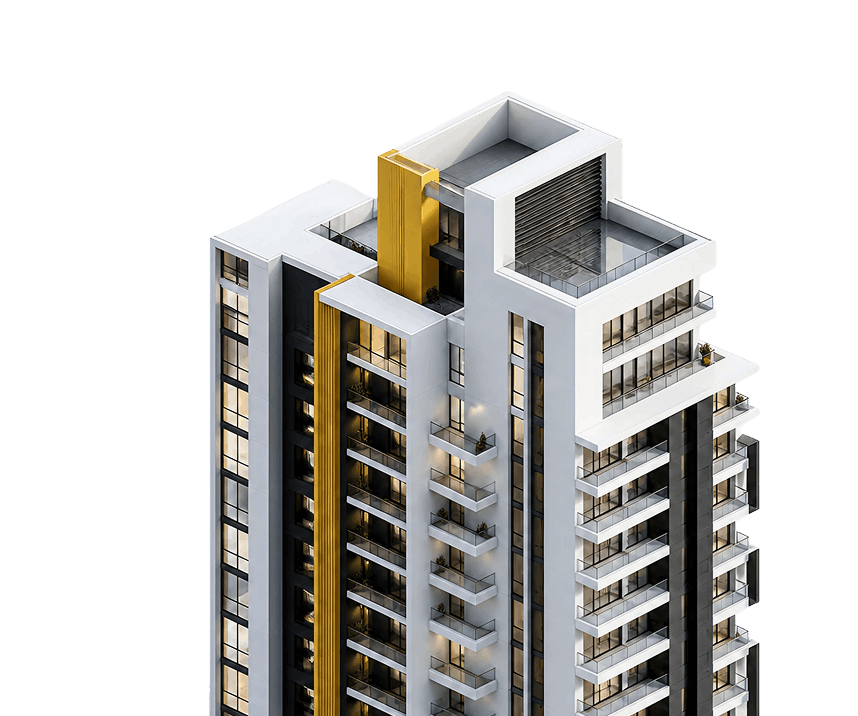
Planning to buy an apartment in Cyprus or looking for a rental property?
On RERA, you'll find 65,000+ up-to-date real estate listings across Cyprus – from studios and apartments to villas and commercial properties.
