
Cyprus tenancy rules affect deposits, leases, rent increases, and notice. Learn what to check before signing a long-term rental agreement in Cyprus today.
A low monthly rent can stop looking like a bargain when the lease is vague about the deposit, repair costs, or how much notice you need to give. Cyprus tenancy rules are not one simple checklist: the outcome can depend on the property’s location, age, the wording of the agreement, and whether rent-control legislation applies.
For renters moving from abroad, the practical lesson is straightforward: treat the tenancy agreement, property condition report, and payment record as seriously as the apartment itself. A clear rental arrangement protects both sides and makes it easier to resolve problems without assumptions.
Most long-term rentals in Cyprus are governed first by the written lease and general contract law. The agreement should state the property address, landlord and tenant details, rent, payment date, lease term, deposit, utility responsibilities, and how either party may end the tenancy.
A separate framework, commonly referred to as the Rent Control Law, can apply to certain residential and commercial premises in designated controlled areas. Its application is technical. It may depend on factors including the area, the building’s completion date, the type of premises, and the tenant’s status. Properties outside that framework are generally more dependent on the terms freely agreed in the lease.
This distinction matters because rules on possession, rent increases, and termination may differ. Do not assume that every apartment in Limassol, Nicosia, Larnaca, or Paphos has the same legal treatment just because it is a long-term rental. If the point could affect your right to remain in the property or the rent you may be asked to pay, ask a Cyprus lawyer to review the specific situation.
A listing may say “long term,” “fully furnished,” or “available immediately,” but those descriptions are not a substitute for contract terms. Before paying a reservation amount or deposit, request the full proposed agreement and read it while there is still room to negotiate.
A fixed-term lease commonly runs for one year, although shorter and longer terms are also used. Check whether it renews automatically, becomes periodic after expiry, or ends unless both parties agree to renew. A tenant who plans to leave after six months should not rely on a verbal assurance that an early exit will be acceptable.
The early-termination clause deserves particular attention. It should say whether notice is required, whether a replacement tenant is needed, and whether any penalty applies. Equally, look for the landlord’s right to terminate. A well-written clause identifies the notice process, not simply a broad statement that the owner may reclaim the property at any time.
If the lease is bilingual, confirm which version controls if there is a disagreement. Names should match identification documents, and the person signing for the owner should have authority to do so. This is especially relevant where a property is managed by an agent, owned by a company, or shared by several owners.
The rent clause should state the exact monthly amount, currency, due date, payment method, and bank account holder. It should also confirm what is included. Internet, common expenses, garbage collection, water, and electricity are often handled separately, and those costs can change the real monthly budget.
For properties covered by rent-control rules, statutory restrictions may affect permitted rent increases. For other rentals, increases are usually governed by the lease. A clause that says rent can be changed “as needed” is too open-ended for a tenant to assess. Prefer a specific amount, percentage, review date, or index-based method.
Pay by bank transfer where possible and keep the payment confirmation. If rent is paid in cash, obtain a dated receipt showing the month covered, amount, property, and recipient. Good records are not confrontational. They reduce avoidable disputes later.
There is no single universal deposit rule that makes every Cyprus tenancy identical. Deposits are commonly requested, often equivalent to one or two months’ rent, but the amount and return conditions should be written into the agreement.
The lease should distinguish a refundable security deposit from advance rent or a nonrefundable fee. It should explain when the deposit is returned, what deductions are allowed, and how quickly the final utility bills will be settled after move-out. “Damage” should not quietly include ordinary wear from normal use.
Create a move-in record before unpacking. Take dated photos and video of every room, balcony, appliance, meter reading, key, remote control, and existing defect. Attach a written inventory to the lease and ask both parties to sign it. If the property is furnished, the inventory should identify more than “furniture included.” It should describe major items and their condition.
At move-out, repeat the process and request a handover confirmation. This gives the landlord a fair basis for legitimate deductions while giving the tenant evidence if the deposit is withheld without a clear explanation.
A lease should separate everyday tenant responsibilities from structural or major repairs. Tenants are generally expected to use the home carefully, report problems promptly, and cover damage they cause. Landlords will commonly remain responsible for major systems and defects not caused by the tenant, but the exact allocation should be checked in the agreement.
Report maintenance issues in writing, even if you have already discussed them by phone. A short message with photos, the date, and a clear description creates a useful record. For urgent issues such as a serious leak, electrical hazard, or loss of essential services, notify the landlord or appointed manager immediately and retain evidence of the communication.
Privacy also belongs in the conversation. The owner may need access for inspections, repairs, or viewings near the end of a lease, but the agreement should set out reasonable notice and circumstances. A rented home is still the tenant’s home during the tenancy. Informal key access should never replace agreed arrangements except in a genuine emergency.
When either side wants to end the rental, follow the contract’s notice requirements carefully. Give notice in writing and keep proof that it was sent and received. Messages can be useful, but a formal email or signed letter is easier to rely on if the matter becomes disputed.
A landlord should not rely on self-help measures such as changing locks, removing belongings, or cutting services to force a tenant out. Likewise, a tenant should not simply stop paying rent because a disagreement has arisen. Possession and rent disputes can have legal consequences, and the appropriate route depends on whether rent-control legislation applies and on the facts of the case.
Where a dispute cannot be resolved directly, get independent legal advice before taking a step that could weaken your position. Keep the lease, inventory, payment receipts, utility bills, repair correspondence, and move-out evidence in one folder. The party with the clearer record is usually in a much stronger practical position.
Ask whether the property is subject to any rent-control framework, whether the stated rent includes common expenses, and whether there are known building issues or planned works. Confirm who manages repairs, how keys are handed over, and whether pets, subletting, parking, or home working are restricted.
International renters should also ask whether the landlord requires a local guarantor, several months of rent in advance, or specific identification and residence documents. Requirements vary by owner and property type. A request is not automatically unreasonable, but it should be stated clearly before money changes hands.
For a more reliable comparison, evaluate rental listings by total monthly cost, lease flexibility, furnishing condition, location, and available documentation - not headline rent alone. Structured listing details and clear communication help renters identify questions early, before a viewing becomes a commitment.
The right rental is not simply the one you can move into fastest. It is the one where the price, property condition, and written terms all tell the same story.

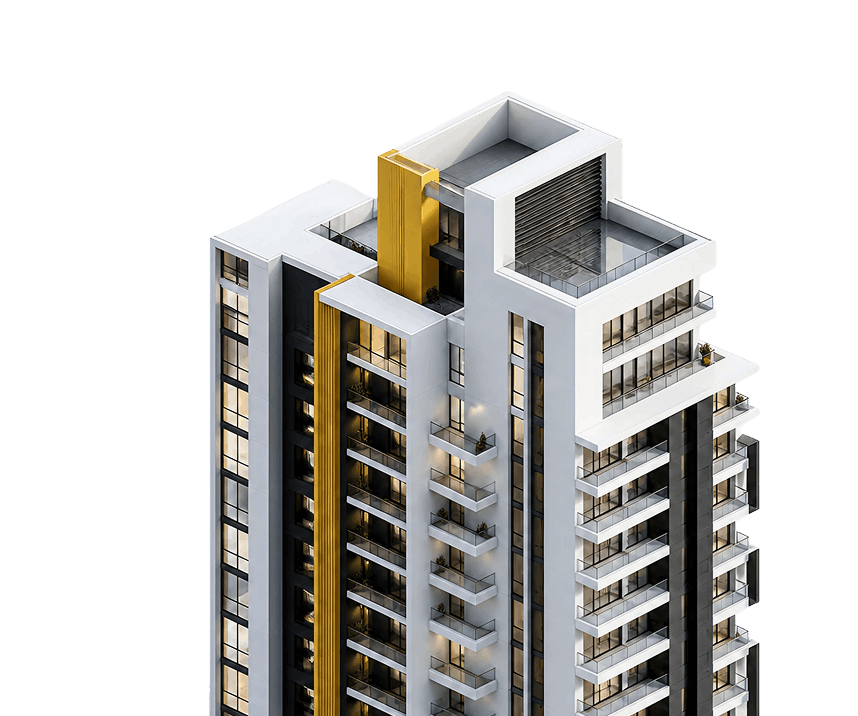
Planning to buy an apartment in Cyprus or looking for a rental property?
On RERA, you'll find 65,000+ up-to-date real estate listings across Cyprus – from studios and apartments to villas and commercial properties.
