
Cyprus villa demand is shaped by location, pricing, rental use, and buyer needs. Learn how to compare villas and assess demand with greater clarity today.
A villa listed at the right price in the right coastal area can attract serious attention quickly. A larger, more expensive villa only a few miles away may sit for months. Cyprus villa demand is not one market with one buyer profile. It is a set of local markets shaped by access to the sea, year-round livability, new supply, rental potential, and the practical quality of the property itself.
For buyers, that makes broad claims about “hot” locations less useful than a closer look at comparable listings and completed transactions. For owners, developers, and agencies, it means demand needs to be measured through qualified inquiries, viewings, pricing feedback, and time on market, not just listing views.
Villas appeal to buyers who need more space, privacy, and flexibility than an apartment can offer. That includes relocating families, second-home buyers, high-income professionals, and investors considering short- or long-term rental use. Yet these groups do not value the same things equally.
A family relocating for work may prioritize a practical floor plan, school access, storage, heating and cooling, and a manageable commute. A holiday-home buyer may put more weight on outdoor space, views, proximity to restaurants, and the ability to lock up the home between visits. An investor will look harder at rental competition, operating costs, seasonality, and whether the asking price leaves room for a realistic return.
That difference matters because a villa can be attractive without being liquid. A highly customized home, an unusually large plot, or a remote setting may be exactly right for one buyer, but narrow the pool of people willing to make an offer. Strong demand is usually found where a property solves a common need for a clearly defined buyer group.
Limassol has demand from buyers who value international business access, private education, services, and coastal living. In this market, modern specifications, security, parking, and proximity to established neighborhoods can matter as much as sea views. Premium pricing is more common, but so is buyer comparison. A villa must justify its position against newer developments, luxury apartments, and competing resale homes.
Paphos attracts a different mix, including lifestyle buyers, retirees, overseas purchasers, and buyers seeking a lower entry point than prime Limassol. Demand can be strong for well-maintained villas close to amenities, golf areas, or the coast. However, a listing should not assume that being in Paphos alone creates demand. Distance from services, road access, condition, and year-round neighborhood activity all affect appeal.
The Famagusta area, including Ayia Napa, Protaras, and Paralimni, is more closely connected to holiday use and seasonal rental demand. Proximity to beaches, walkability, outdoor living, and pool condition can have an outsized effect. Buyers should distinguish between a villa that performs well in peak summer and one that remains desirable for long-term occupancy or resale.
Larnaca and surrounding areas can appeal to buyers looking for relative value, airport access, and a less intense urban pace. Nicosia is different again: villa demand is often tied more directly to permanent residence, family needs, plot size, and proximity to work, schools, and everyday services than to holiday rental potential.
In every location, asking price is the first filter buyers use. It is also where sellers most often confuse aspiration with market evidence. A villa may have a pool, sea view, and premium finishes, but those features only support a higher price if comparable homes in the same micro-area achieve similar levels.
The useful comparison is rarely the average villa price for an entire city. Buyers should compare properties with similar internal area, plot size, age, condition, bedroom count, parking, pool, view, and distance from key amenities. A newly built four-bedroom villa in a gated development is not directly comparable with a 15-year-old detached home on a larger plot, even if both have the same postal area.
Overpricing has a compounding effect. The first weeks after publication are often when a listing receives its broadest exposure. If the price is noticeably above alternatives, qualified buyers may save it but not inquire, or use it as a reference point while choosing a better-value option. Later price reductions can help, but they do not always restore the attention lost at launch.
For sellers and property professionals, this is where structured listing data matters. Accurate floor area, plot details, year built, energy information, photos, and location context help buyers decide whether a villa belongs in their shortlist. Missing or vague details create uncertainty, particularly for international buyers who cannot view immediately.
Price per square meter can help identify obvious outliers, but it should not be treated as a valuation by itself. Villas have features that simple averages do not capture well: a usable garden is different from a steep plot, a protected view is different from a partial view, and an expensive renovation is different from cosmetic updates.
Use price per square meter as a starting point, then test it against the full property. If one villa is priced materially higher than similar options, the seller should be able to explain why in factual terms. Better materials, a superior location, clearer title documentation, or lower expected renovation costs may justify a premium. A vague claim of luxury usually will not.
Demand can look strong when few suitable villas are available, even if the total number of buyers is modest. The opposite is also true. A location may attract plenty of searches, but a wave of similar new villas can give buyers more negotiating power and lengthen the selling process.
New developments often raise buyer expectations. They can offer energy-efficient construction, standardized warranties, modern layouts, and predictable handover processes. Resale villas need to compete on what they do better: established landscaping, larger plots, mature neighborhoods, immediate availability, character, or a more attractive all-in price.
This is especially relevant for older homes. Buyers may accept renovation work if the location and plot are hard to replace, but they will factor the cost, disruption, and uncertainty into their offer. Sellers should be realistic about deferred maintenance, insulation, plumbing, pool equipment, window condition, and exterior upkeep. Transparency tends to create better conversations than presenting a renovation project as move-in ready.
Rental income can support Cyprus villa demand, particularly in coastal areas, but it should be assessed carefully. A high nightly rate during peak season does not show what a property earns across the year. Occupancy, management fees, cleaning, utilities, maintenance, marketing, local rules, and the cost of furnishing all affect the net result.
Long-term rental demand may provide a different profile. It can be more stable in areas with employers, schools, and year-round services, but tenants may place less value on features designed mainly for vacation use. A large pool and panoramic terrace can be a major advantage for short stays, while a family tenant may care more about storage, reliable internet, covered parking, and a practical kitchen.
Investors should also consider exit demand. A villa that works as a rental asset but appeals only to a narrow group of future buyers may be less liquid than expected. The best purchase depends on the strategy: personal use, rental income, capital preservation, or a mix of all three. These goals can point to different properties.
Start with a defined brief rather than an idealized search. Decide whether the villa is primarily a home, a second residence, or an investment, then identify the non-negotiables. This makes it easier to compare alternatives without being distracted by a single impressive feature.
Next, look at competing supply in the same micro-location. How many similar villas are available? Are they new or resale? Do they appear to have been listed for a long time? A property with several nearly identical alternatives needs a stronger price or a clearer advantage.
Then examine the listing closely. Request or verify the core facts: plot and internal areas, permits and title status where applicable, age and renovation history, energy performance, communal costs, pool maintenance, access, and any expected works. General information is helpful, but a lawyer, surveyor, lender, or licensed valuer should review the parts that require professional advice.
Finally, treat responsiveness as market information. If a villa receives many inquiries but few viewings, the listing may be attracting the wrong audience. If viewings happen but offers do not, price, condition, or documentation may be the obstacle. Platforms such as RERA can help users compare structured listings and give professionals clearer signals about which properties are generating qualified leads.
A villa should not be judged only by its pool, view, or brochure finish. The stronger decision is the one that connects the property to a real buyer pool, credible comparable evidence, and the way you plan to use it. That is where demand becomes practical rather than just promising.

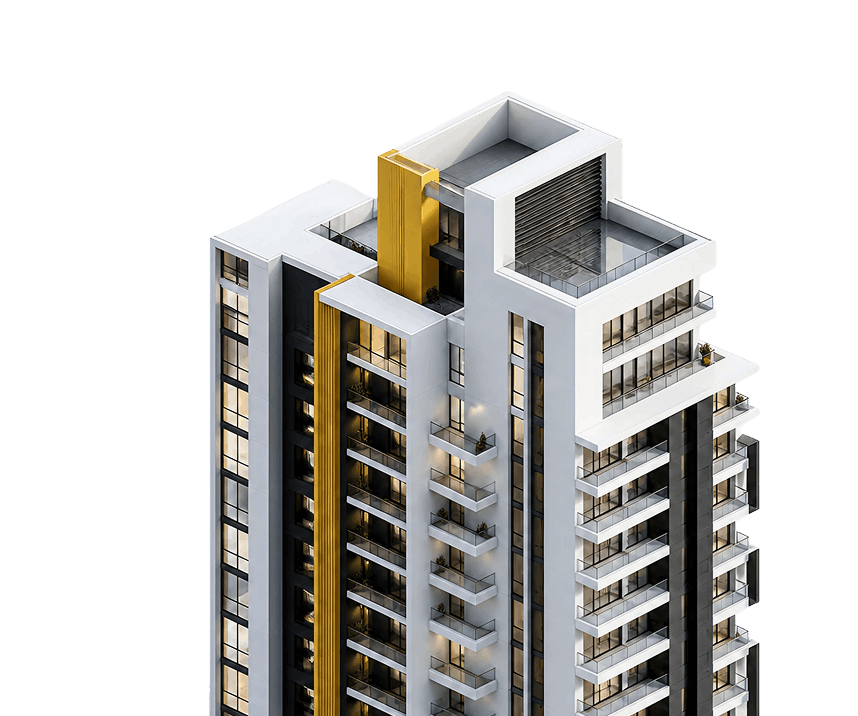
Planning to buy an apartment in Cyprus or looking for a rental property?
On RERA, you'll find 65,000+ up-to-date real estate listings across Cyprus – from studios and apartments to villas and commercial properties.
