
Learn how to evaluate listing quality before you inquire, compare Cyprus properties with confidence, spot missing facts, and ask better questions of agents
A listing can look polished and still leave you unable to make a good decision. Bright photos, a short headline, and an attractive asking price may earn a click, but they do not tell you whether the property suits your budget, timeline, or intended use. Knowing how to evaluate listing quality helps you spend less time chasing incomplete listings and more time comparing real options.
For buyers, renters, and investors, quality is not about marketing language. It is about whether the information is specific, current, internally consistent, and useful enough to support the next step. A strong listing does not remove the need for a viewing, document checks, or professional advice. It does give you a more reliable starting point.
Photos matter because they help you understand condition, light, layout, and the surrounding environment. But images should confirm the facts in a listing, not replace them. Start with the structured details: property type, asking price, internal area, bedroom and bathroom count, floor, plot size where relevant, year built, parking, storage, and availability.
A quality listing distinguishes between internal covered area, covered verandas, uncovered verandas, and land area. These measurements are not interchangeable. A 100-square-meter apartment with a large covered veranda can offer a very different living experience from one with 100 square meters of internal space. If the figures are vague, bundled together without explanation, or missing altogether, comparison becomes difficult.
The description should also explain the property rather than repeat generic phrases. Look for details that change your decision: renovation work, energy efficiency features, furniture included, heating and cooling, common expenses, occupancy status, or whether the property is part of a new development. For land and commercial listings, zoning, access, planning context, and permitted use can be more meaningful than a long description of the view.
Missing information is not automatic proof of a bad property. Some details may be unavailable at the first stage or may need confirmation from the seller. Still, a pattern of omissions is useful information. It tells you where to focus your questions.
The fastest way to assess listing quality is to compare every part of the page. The price, description, specifications, map area, and photos should describe the same property.
If a headline says three bedrooms but the specifications show two, ask why. If photos show a sea view but the location pin appears far inland, do not assume the pin is merely approximate. If the description calls a home newly renovated, look for images that show the kitchen, bathrooms, windows, and other elements that support that claim.
Consistency matters especially when comparing properties from different agencies or developments. Duplicate listings can appear with different prices, areas, photos, or availability. That may reflect an update delay, a data-entry error, or a material difference in what is included. Treat it as a prompt to verify the current terms before arranging a viewing.
A well-maintained listing is usually clear about the basis of the price. For a sale, check whether the asking price is stated plainly and whether any important inclusions or exclusions are identified. For a rental, establish whether the figure is monthly, whether common expenses are included, and whether the advertised term matches your needs. A low monthly rent can mean very little if the lease conditions, deposit, utilities, or move-in timing are unclear.
Words such as luxury, investment, prime, spacious, and unique are subjective. They may describe a property accurately, but they are not evidence. Replace the claim with a practical question.
If a listing says spacious, compare the stated internal area with the floor plan and room photos. If it says ideal for investment, examine the location, property type, condition, likely operating costs, and local rental demand rather than relying on a promised return. If it says walking distance to the beach, school, or city center, check the location and consider the route, not only the straight-line distance.
Floor plans are especially useful when available. They help you understand room proportions, circulation, storage, balcony access, and whether a second bathroom is truly practical for your household. Photos can make a compact room appear larger, while a floor plan gives you a more stable reference point.
The same applies to location. A neighborhood label can cover a wide area, particularly in larger cities. The exact address may not be public for privacy and security reasons, but a good listing should provide enough location context to assess access to work, schools, services, the coast, major roads, or public transportation. In Cyprus, local conditions can vary significantly within a short drive, so broad city-level descriptions are rarely enough for a final decision.
You do not need professional inspection skills to read property photos more carefully. Look for coverage, sequence, and context. Quality listings usually show the main living areas, kitchen, bedrooms, bathrooms, outdoor spaces, building exterior, and relevant shared areas. A listing with only five highly styled interior photos may be hiding nothing, but it is giving you too little to judge.
Pay attention to what is absent. For example, no bathroom photos may simply be an editorial choice, or it may signal an area that needs work. No exterior image makes it harder to assess building condition, neighboring properties, road exposure, or privacy. For houses and villas, photos of the plot boundaries, access road, pool area, and surrounding land can be as important as the living room.
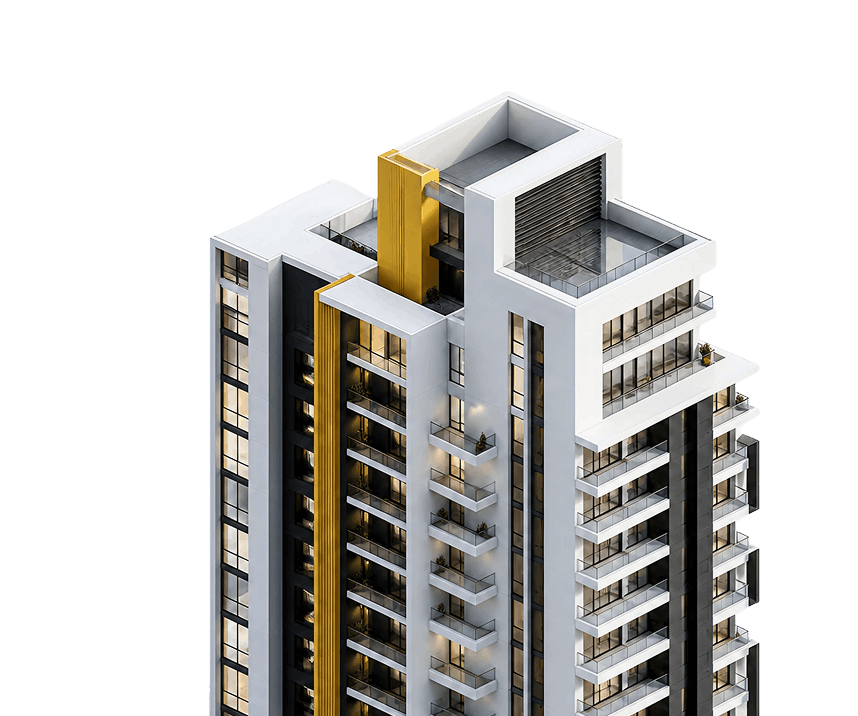
Image quality also has limits. Wide-angle lenses can distort room size. Sunset shots can make outdoor space look more private than it is during the day. Renderings for off-plan or new-build projects show an intended design, not a finished home. A quality listing labels renderings clearly and explains what is included in the advertised specification.
A listing is not high quality simply because its price looks attractive. It should give you enough detail to compare price with similar properties on a like-for-like basis.
Start with the property type, location, condition, age, internal area, outdoor space, parking, and building features. Then compare several nearby listings rather than anchoring on the first one you see. A lower asking price may reflect a smaller internal area, a ground-floor position, deferred maintenance, a shorter leasehold interest, an occupied property, or a less convenient micro-location.
For investors, asking price is only one part of the calculation. Rental demand, vacancy risk, maintenance, management costs, renovation needs, and resale liquidity all affect the outcome. No listing can establish a guaranteed yield or future value. It can, however, provide the details you need to build a more realistic view and ask for supporting information.
RERA's structured property data is designed to make these comparisons easier by bringing key specifications and market context into the search process. Even then, a sensible comparison depends on your priorities. A family may value school access and usable bedrooms more than a sea view. A remote worker may place more weight on parking, internet availability, and a practical home office layout.
A listing can be accurate when published and less useful weeks later. Look for signs that the information is current, including a recent update date, consistent availability status, and clear contact details for the responsible professional.
When you inquire, ask whether the property is still available and whether the stated price and included features remain current. For rentals, confirm the earliest move-in date and the required lease term. For sale properties, ask whether there are existing offers, tenants, or conditions that could affect the transaction timeline.
Freshness is also a trust signal for the professional behind the listing. Agencies and developers that update unavailable stock, correct specifications, and respond with clear answers make it easier for buyers to make decisions. A slow or vague response does not necessarily mean the property is unsuitable, but it can affect how much effort you choose to invest.
Before booking a viewing, ask questions that close the biggest information gaps. Request the current availability and price, clarification of internal and outdoor areas, the age and condition of the property, what is included, and any recurring costs. For a development, ask which unit is being advertised and whether the photos, plans, and finishes relate to that exact unit or a representative example.
If you are considering a purchase in Cyprus, use the listing as the first layer of research, not the legal record. Ask the appropriate professionals to verify ownership, permits, title-related matters, contractual terms, and any other document issues relevant to your transaction. A complete listing is valuable, but it is not a substitute for due diligence.
The best listing does not pressure you to act. It makes the important facts easier to see, the trade-offs easier to understand, and the next question easier to ask. That is the standard worth using when you decide which property deserves your time.

Planning to buy an apartment in Cyprus or looking for a rental property?
On RERA, you'll find 65,000+ up-to-date real estate listings across Cyprus – from studios and apartments to villas and commercial properties.
