
A practical guide to price per square meter Cyprus buyers track, with city trends, property type differences, and smarter ways to compare listings.
A two-bedroom apartment in Limassol and a two-bedroom apartment in Nicosia can look similar on paper, yet the price difference may be large. That is exactly why price per square meter Cyprus buyers keep searching for is such a useful starting point. It helps you compare properties on a more equal basis, spot overpriced listings faster, and understand what the market is really doing beneath headline asking prices.
Still, price per square meter is only a starting point. In Cyprus, the same square meter figure can mean very different things depending on location, condition, title status, building age, sea view, parking, shared amenities, and whether the internal area is actually usable. Smart property decisions come from combining price signals with better listing data and local context.
Price per square meter is the listing price divided by the size of the property. In simple terms, it shows how much buyers are being asked to pay for each square meter of space. That makes it easier to compare a 78 square meter apartment with a 132 square meter apartment, or a townhouse with a detached house in the same area.
The reason this metric matters is consistency. Total price alone can mislead. A home priced at EUR 350,000 may sound cheaper than another at EUR 390,000, but if the first one is much smaller or needs major renovation, the cheaper headline number does not tell the full story.
In Cyprus, this metric is especially useful because the market is fragmented. Prices vary sharply between city centers, tourist areas, beachfront zones, suburban neighborhoods, mountain villages, and newer residential expansions. A raw asking price without a size-adjusted comparison gives you less clarity than you think.
There is no single Cyprus-wide benchmark that works for every search. A modern apartment near the seafront in Limassol can sit in a very different price band from an older resale apartment in Larnaca or a village house outside Paphos. Even within the same city, two streets can produce different numbers if one has stronger rental demand, newer stock, or easier access to schools and main roads.
Property type matters just as much as geography. Apartments in dense urban locations often have a higher price per square meter than larger houses because they are in short supply, more liquid, and easier to rent. Villas can show lower or higher figures depending on plot value, pool, view, privacy, and whether the built area is large relative to land value. Land is a separate category entirely and should not be mixed with residential built property comparisons.
Age and specification also shift the number. New developments usually command a premium because buyers are paying for energy efficiency, modern layouts, parking, elevators, shared facilities, and lower near-term maintenance. Older stock can look cheaper per square meter, but renovation cost, building condition, and common expenses may narrow that gap quickly.
Limassol typically sits at the top end of the market, especially for new apartments, branded residences, and coastal property. Demand from local professionals, international companies, relocating families, and investors keeps pressure on pricing. In central and seafront-adjacent areas, price per square meter often reflects both lifestyle appeal and rental demand, not just construction quality.
Nicosia behaves differently. It is less driven by holiday demand and more by local residential need, business use, and long-term practicality. Buyers often find that price per square meter is more rational relative to income and daily life factors, though premium districts still command strong values.
Larnaca has attracted more attention in recent years because it can offer a different balance of entry price, coastal access, and development potential. Some areas remain relatively accessible compared with Limassol, while prime zones and newer projects have moved upward.
Paphos is more mixed. You will see everything from tourist-oriented apartments and retirement-focused communities to villas with views and village homes inland. Here, the square meter price can swing based on proximity to the coast, resort positioning, and whether the property appeals more to owner-occupiers or short-term demand.
Famagusta district, including Ayia Napa, Protaras, and Paralimni, is highly location-sensitive. Seasonal demand, holiday-home use, and coastal premiums shape asking prices. A property a short drive inland may trade on very different metrics from one near the beach.
One of the biggest mistakes is comparing total covered area without checking what is included. In Cyprus listings, the quoted size may refer to internal area, covered area, total covered area, verandas, or a mix. Two apartments both labeled 100 square meters may not offer the same actual living space.
Another mistake is ignoring condition. A resale apartment with an attractive price per square meter may need new plumbing, insulation upgrades, windows, kitchen work, and common building repairs. On the other side, a new unit may look expensive until you factor in energy performance, lower maintenance, and stronger tenant appeal.
Buyers also overvalue sea view or undervalue floor level in inconsistent ways. In some submarkets, these features deserve a clear premium. In others, the asking price reflects seller ambition more than proven demand. That is why comparable listings matter more than broad assumptions.
Then there is the issue of paperwork and marketability. A property with unclear title deed status, irregular extensions, or weak building management may still show an attractive square meter number. If the asset is harder to finance, resell, or document properly, the lower figure may not be a bargain at all.
Start by narrowing your comparison group. Compare apartments with apartments, houses with houses, and new builds with similar new builds. Try to stay within the same neighborhood, not just the same city. A district-level comparison is far more useful than a nationwide average.
Next, focus on what kind of area you are buying in. A residential family neighborhood, a student-driven zone, a beachfront strip, and a business district all have different pricing logic. If you are buying for your own use, convenience may justify a higher number. If you are investing, demand depth and resale liquidity may matter more.
It also helps to watch listing quality. Better data usually leads to better decisions. Clear floor plans, realistic area breakdowns, recent photos, building age, parking information, energy details, and document transparency reduce the risk of making a false comparison. This is where a structured marketplace can be more useful than generic listing portals because the value is not just more inventory - it is better comparability.
If you are searching across Cyprus from abroad, avoid relying on one listing to set your benchmark. Look at clusters. When several comparable listings in the same micro-area sit in a narrow range, you are closer to a market signal. When one property sits far above that range, there should be a clear reason. If there is no obvious reason, treat it carefully.
A high figure is not automatically bad value. Sometimes it reflects genuinely stronger fundamentals. Smaller units in prime areas often carry a higher square meter price because they attract more buyers, renters, and budget-constrained demand. New projects with efficient layouts can also show stronger numbers because buyers are paying for usability, not just raw size.
Premium can make sense when the property offers rare advantages such as walkability, top school access, protected views, high construction quality, low supply, or very strong future resale appeal. In those cases, the higher price is tied to scarcity and demand, not just seller optimism.
The opposite is also true. A low figure is not automatically good value if the property is oversized for the market, hard to maintain, legally unclear, or located in an area with weaker liquidity.
Investors should not use price per square meter alone to judge returns. A cheaper asset can underperform if tenant demand is weak or if resale takes too long. A more expensive apartment in a liquid area may hold demand better and produce fewer vacancy issues, even if the entry price feels high.
Relocating families and expats usually need a different lens. School routes, commute times, building upkeep, noise, parking, and year-round livability matter more than squeezing the lowest number out of each square meter. A property can be mathematically attractive and still be the wrong fit for daily life.
For both groups, the smartest approach is to combine square meter pricing with local comparables, documentation checks, financing reality, and clear search criteria. On a data-led platform like RERA, those signals are more useful when they are tied to verified professional listings rather than loose descriptions.
The most helpful way to think about price per square meter in Cyprus is this: it is a filter, not a verdict. Use it to narrow the field, challenge inflated asking prices, and compare similar properties more confidently. Then slow down and look at the details that actually shape value. Better comparisons usually lead to better decisions.

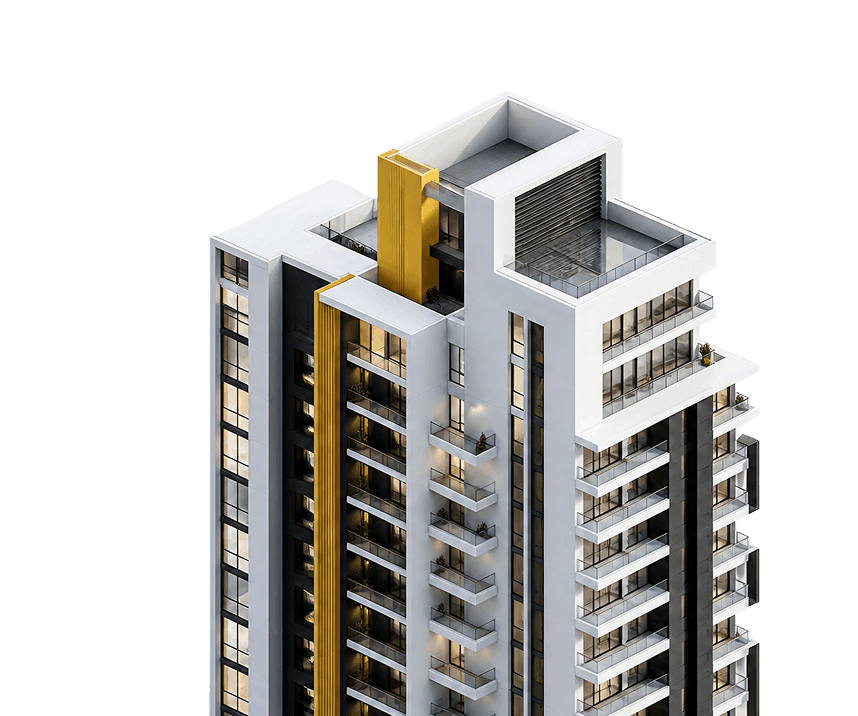
Planning to buy an apartment in Cyprus or looking for a rental property?
On RERA, you'll find 75,000+ up-to-date real estate listings across Cyprus – from studios and apartments to villas and commercial properties.