
A data-driven look at prices, yields, taxes, and where each strategy works best.
If you’re deciding whether to rent or buy in Cyprus in 2026, the honest answer is simple: both options can be smart — depending on your situation.
Cyprus is not a single, uniform housing market. Prices, rents, and buyer profiles vary significantly between Nicosia, Limassol, Larnaca, Paphos, and the government-controlled Famagusta area. That’s why many buyers and renters now start with platforms like RERA.CY to compare listings, track price trends, and understand district-level dynamics before making a decision.
In practice, your choice comes down to four things:
your time horizon
your available cash
how certain you are about location
your willingness to go through the legal process
In short: rent for flexibility, buy for long-term conviction.

The broader backdrop remains supportive of ownership — but not blindly.
According to PwC Cyprus:
total transaction value reached approximately €6.5 billion in 2025
around 25,600 transactions were recorded
apartments accounted for ~42–43% of the market
Meanwhile, data from the Central Bank of Cyprus (latest available quarter, Q4 2025) shows:
overall residential prices: +7.1% YoY
apartments: +9.6%
houses: +3.4%
Strongest apartment growth (latest available snapshot):
Paphos: +13.6%
Larnaca: +12.2%
Limassol: +9.3%
Weaker segments:
Famagusta (government-controlled area): −4.1%
Nicosia houses: −1.3%
What this tells you: Cyprus is a multi-speed market — and apartments remain the core segment.

Renting is often the better choice when flexibility matters more than certainty.
This is especially true if:
you’ve just moved to Cyprus
you’re still choosing between districts
your stay might be short
you prefer to keep liquidity
In reality, your first year in Cyprus answers questions no spreadsheet can: commute, lifestyle, schools, and daily routine.
Based on Landbank (January 2025 listings data):
Nicosia: ~€1,017/month
Limassol: ~€2,742/month
Larnaca: ~€1,120/month
Paphos: ~€1,193/month
Famagusta: ~€745/month
Important: these are asking rents, not final contract prices — actual rents may vary.
Still, one thing is clear: Limassol operates on a completely different budget level.
The numbers become more useful when you compare them with actual property taxes and ownership costs.
Buying becomes more compelling once uncertainty disappears.
If you:
plan to stay 5+ years
are confident in your chosen district
can handle upfront costs
…then ownership starts to work in your favor.
According to the Central Bank of Cyprus:
mortgage rates typically range around 3.7%–4.2%, depending on borrower profile and bank terms
Banks such as Bank of Cyprus may offer:
up to 80% financing for a primary residence (in some cases)
lower ratios for holiday or investment properties
Apartments: around 5.45% on average
Houses: ~2.96%
In simple terms, apartments offer the best balance between affordability, rental demand, and investment potential.

Stable, local-driven market
Best for: families and long-term living
Strong price growth, highest rents
Best for: international buyers, high-income expats
Challenge: affordability
Fast-growing, still relatively affordable
Best for: value + growth balance
Lifestyle-driven market with strong foreign demand
Foreign buyers dominate in recent data
Lower entry prices, more seasonal demand
Requires careful location understanding
Buying property in Cyprus is safe — but only with proper checks.
According to the Department of Lands and Surveys, buyers should:
verify title deeds and ownership
check encumbrances (loans, claims, memos)
confirm planning and building permits
ensure legal access to the property
If title deeds are not immediately available:
the sale contract should be deposited within 6 months
failure to do so may result in increased transfer fees
Foreign buyers may also require approval via the Ministry of Interior Cyprus (Form COMM.145), typically allowing:
up to two properties
or land up to 4,000 m² for private use
3% / 5% / 8% scale
generally reduced by 50%
not payable if VAT applies
Standard: 19%
Reduced: 5%
applies to primary residence
up to 130 sqm / €350,000
partial relief up to 190 sqm / €475,000
No annual state property tax (abolished in 2017)
Capital gains tax: generally 20% (subject to exemptions)
According to PwC Cyprus:
stamp duty is expected to be phased out under the 2026 tax reform framework, subject to implementation details
rental income is expected to be taxed under income tax rules only (without Special Defence Contribution), depending on final implementation

Example assumptions:
Property price: €250,000
Down payment: 20%
Mortgage: ~4% over 30 years
Rental benchmark based on ~5.45% yield
Horizon | Renting | Buying |
1 year | lower cost | higher upfront burden |
5 years | similar | buying becomes competitive |
10 years | higher total cost | buying typically wins |
Important: this is an illustrative model, not a forecast.
Stage | Renting | Buying |
Speed | Fast | Slower |
Complexity | Low | High |
Cash required | Low | High |
Legal process | Minimal | Extensive |
Key takeaway: Renting is operationally simple. Buying is a structured transaction.

So, should you rent or buy in Cyprus in 2026?
Rent if you need flexibility, are new to the island, or want to explore different areas
Buy if you are settled, financially prepared, and planning long-term
Districts matter just as much as strategy:
Nicosia → practical living
Limassol → prestige and international demand
Larnaca → rising value
Paphos → lifestyle + expat appeal
Famagusta → lower entry, more seasonal
In a fragmented market like Cyprus, decisions are increasingly data-driven — which is why many users begin their search on platforms like RERA.CY.
Is it better to rent or buy in Cyprus in 2026?
Renting is usually better short-term. Buying becomes more advantageous over longer horizons.
Can foreigners buy property in Cyprus?
Yes, typically with approval from the Ministry of Interior under applicable rules.
What are transfer fees?
3–8%, generally reduced by 50%, or zero if VAT applies.
What VAT applies to property?
19% standard, 5% reduced for primary residence under conditions.
Are mortgage rates high?
Typically around 3.7%–4.2%, depending on the borrower and bank.
Is there annual property tax?
No — it was abolished in 2017.

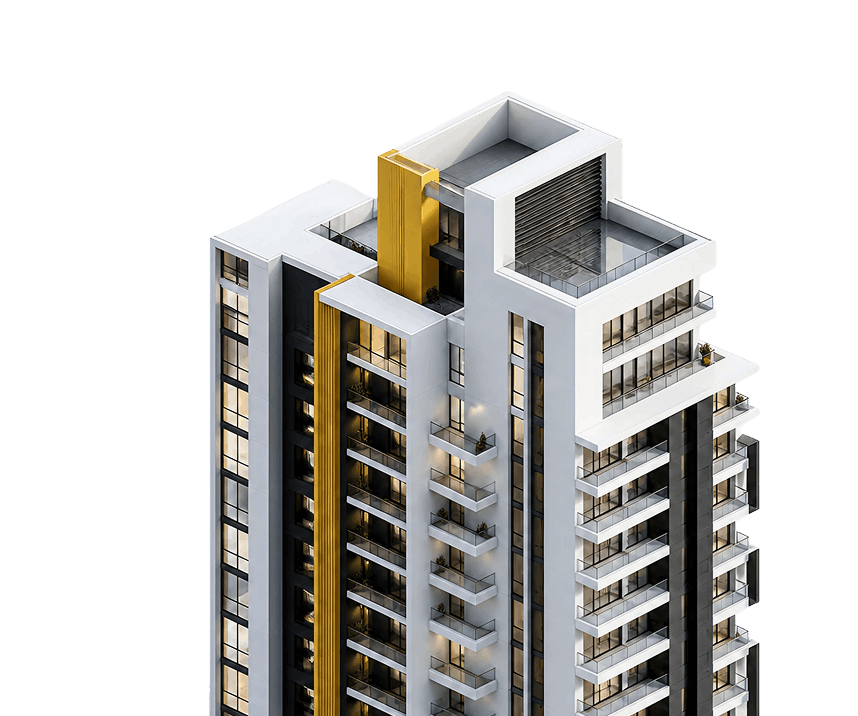
Planning to buy an apartment in Cyprus or looking for a rental property?
On RERA, you'll find 65,000+ up-to-date real estate listings across Cyprus – from studios and apartments to villas and commercial properties.
