
Compare the top commercial property types in Cyprus, from offices and retail to warehouses and hotels, with practical factors for better decisions for buyers.
A commercial listing can look attractive because of its price per square foot, but that number says very little on its own. A small office with a reliable tenant, parking, and a clear lease may be easier to assess than a larger retail unit in a location with falling foot traffic. Understanding the top commercial property types helps buyers compare income potential, operating costs, tenant demand, and resale options on a like-for-like basis.
For investors, owner-occupiers, and overseas buyers considering Cyprus, the right category depends on the business need and the local market behind it. A warehouse near a transport route does not compete with a seafront restaurant space in the same way that a city-center office does not compete with a neighborhood shop.
Office space includes small professional suites, standalone buildings, business-center units, and larger multi-tenant developments. Demand is often tied to the local employment base, company formation, professional services, and access to transport, parking, and amenities.
In Cyprus, offices in established business districts can appeal to law firms, accounting practices, technology companies, shipping businesses, and international firms. Limassol has strong demand in selected areas, while Nicosia remains an important office market because of its role as the administrative and business center.
The key question is not simply whether an office is occupied. Review the tenant’s lease term, break clauses, rent review provisions, fit-out condition, building management costs, and the amount of competing space nearby. An older office may offer a lower entry price but require upgrades to meet current expectations for energy performance, air conditioning, connectivity, and employee parking.
Retail property covers street-front shops, mall units, showrooms, convenience stores, and spaces used for food and beverage. Its value is closely linked to visibility, frontage, nearby businesses, parking, pedestrian movement, and whether customers have a reason to visit that particular area.
A prime retail unit can perform well when it serves a clear local need, such as a pharmacy, café, supermarket, salon, or essential service. However, retail is also sensitive to changing consumer habits. A unit that relies on casual foot traffic may face more uncertainty than one leased to an established business with a strong local customer base.
Before buying, check whether the permitted use matches the intended operation. Restaurant and café spaces, for example, may need specific infrastructure for extraction, waste handling, outdoor seating, or licensing. Also examine service charges, signage rights, delivery access, and the condition of the electrical and plumbing systems. These details can materially affect both tenant demand and fit-out costs.
Industrial and logistics properties include warehouses, storage facilities, distribution units, light manufacturing sites, and trade-oriented premises. They are often less visible than retail or office buildings, but location can be highly practical: access to highways, ports, airports, urban delivery routes, and labor markets matters more than a polished facade.
Demand for logistics space can be supported by e-commerce, wholesale trade, construction activity, and businesses that need local inventory. In Cyprus, limited modern supply in the right locations can make well-specified warehouses appealing, particularly where loading access, ceiling height, yard space, and parking for vans or trucks are difficult to find.
Not every warehouse is interchangeable. A unit with poor vehicle access or low loading capacity may be suitable only for storage, limiting its tenant pool. Buyers should confirm zoning, permitted uses, fire safety requirements, power supply, structural condition, and whether the site can accommodate the vehicles the future tenant will use.
Hotels, aparthotels, holiday complexes, restaurants with accommodation, and tourism-focused commercial buildings fall into a more operational category. Unlike a standard office leased to one company, hospitality performance depends heavily on management, seasonality, online distribution, staffing, guest reviews, maintenance, and operating costs.
Coastal locations in Paphos, Ayia Napa, Protaras, and parts of Larnaca may attract attention from buyers seeking tourism exposure. Yet a strong location is not a substitute for reviewing the business itself. Historical occupancy, average daily rates, renovation needs, brand agreements, booking channels, and licensing status all require careful review.
Hospitality can offer more upside when operations improve, but it usually brings more moving parts. A buyer who wants predictable, lower-touch income may prefer a leased commercial asset over a property that requires active hotel or restaurant management.
Mixed-use property combines commercial and residential elements, such as shops below apartments, offices above retail, or a building with several different tenant types. This can spread income sources and make efficient use of central urban locations.
The trade-off is complexity. Residential and commercial tenants often have different expectations around access, noise, building rules, maintenance, and parking. A ground-floor food business may be valuable commercially but create operational issues for residents above it. Review the ownership structure, common expenses, separate meters, tenant agreements, and any restrictions affecting the commercial units.
For some investors, mixed-use buildings offer a more balanced profile than a single-purpose asset. For others, the added management work outweighs the benefit of diversification. The answer depends on how hands-on the owner intends to be.
Commercial land is not an income-producing property on day one, but it can be a strategic purchase where future development is realistic. Parcels may be suitable for offices, warehouses, retail, medical facilities, or tourism uses, subject to planning rules and site conditions.
Land requires more patience and more due diligence than a leased building. Planning zone, building density, coverage, road access, utility connections, topography, environmental constraints, and title status can all shape what can actually be built. A parcel advertised as being in a growing area is not enough evidence of a viable commercial project.
Commercial buyers often begin with yield, but yield should be treated as a starting point rather than a final answer. A high advertised yield may reflect a short lease, a weak tenant, deferred repairs, unusual operating costs, or a rent level that may not be sustainable when the current tenant leaves.
Compare the property on a net basis where possible. That means understanding rent received after the costs the owner is responsible for, including insurance, maintenance, management, common expenses, property taxes, and planned capital works. Ask which costs can be recovered from the tenant and which remain with the owner.
Lease quality deserves the same attention as the building. Review the tenant’s business, payment history where available, security deposit or guarantees, remaining lease term, renewal rights, indexation, and termination provisions. A modest property with a sound lease can be more defensible than a premium-looking asset with uncertain occupancy.
For owner-occupiers, operational suitability may matter more than investment yield. Consider staff commuting, customer access, parking, room layout, storage, loading, visibility, and the cost of adapting the space. A cheaper unit can become expensive if it needs extensive changes before the business can open.
Commercial transactions need focused professional due diligence. Confirm ownership, title documentation, planning permissions, building permits, use classification, lease records, and any encumbrances or restrictions. If the property is part of a larger building, understand how common areas and costs are managed.
Physical inspections should go beyond cosmetic condition. Check HVAC systems, roofs, elevators, fire safety equipment, drainage, electrical capacity, insulation, and accessibility. In older buildings, these items can affect both compliance and the budget needed to keep a tenant in place.
Market evidence matters too. Compare recent asking and achieved rents where reliable data is available, vacancy levels, competing stock, and new supply planned nearby. Structured listing data can help buyers filter by use, location, size, price, and features, but final decisions should reflect the specific property and its documents.
The strongest commercial purchase is rarely the one with the most impressive headline. It is the property whose location, permitted use, lease terms, condition, and likely demand still make sense after the assumptions have been tested.

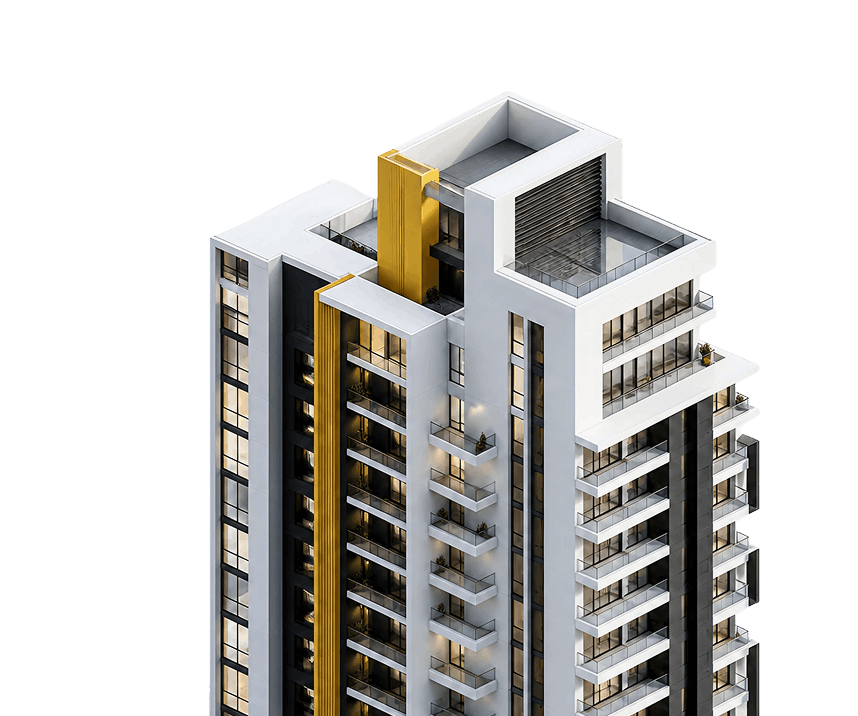
Planning to buy an apartment in Cyprus or looking for a rental property?
On RERA, you'll find 65,000+ up-to-date real estate listings across Cyprus – from studios and apartments to villas and commercial properties.