
What affects rental property value in Cyprus? Learn how location, income, condition, expenses, and demand shape prices and investment decisions locally.
A two-bedroom apartment can earn a strong monthly rent and still be worth less than a comparable apartment a few streets away. That gap is why the question of what affects rental property value needs more than a quick look at asking rents. Buyers, owners, and investors need to separate a property's income potential from its resale value, then assess the risks that connect the two.
In Cyprus, this matters especially in markets where demand can vary sharply by neighborhood, season, property type, and tenant profile. A rental property is valued not only for what it earns now, but for how reliably it can earn, how costly it is to hold, and how easily it could be sold later.
Rental value is the rent a property can realistically achieve in the current market. Property value is the price a willing buyer may pay for the asset. Rent is one of the most influential inputs into value, particularly for investors, but it is not the only one.
An owner may point to a high advertised rent, but a buyer will ask harder questions: How long has the tenant stayed? Is the rent supported by recent comparable listings? What are the vacancy periods? Are operating costs rising? Is the building well managed? These answers affect both the income an investor can expect and the price they are prepared to pay.
For owner-occupier buyers, lifestyle and location can matter more than rental yield. This is why a villa near the coast may command a high sale price even if its long-term rental return is modest, while a practical city apartment may attract investors because its tenant demand is deeper and more consistent.
Location remains the largest driver of rental property value because it influences tenant demand, resale liquidity, and the kinds of renters a property can attract. Yet city-level labels are not enough. Limassol, Nicosia, Larnaca, and Paphos each contain neighborhoods with very different price points and rental profiles.
A property close to employment centers, universities, hospitals, business districts, public transportation, schools, or year-round amenities often has a broader tenant pool. In coastal locations, walkability to the sea and access to services may justify a premium. But proximity alone is not always positive. A busy road, limited parking, construction noise, or seasonal congestion can reduce appeal.
Micro-location also affects liquidity. When a property is in an area buyers already understand and actively search, comparable sales are easier to find and resale can be more straightforward. In a niche location, a property may still be excellent, but the eventual buyer pool may be smaller.
A neighborhood's reputation is useful, but actual market evidence is better. Look at the number of comparable homes available, their advertised rents, how long they remain listed, and whether there are enough recent transactions to support the expected price.
A high asking rent does not automatically prove high demand. If similar properties sit vacant for months or repeatedly reduce their price, the initial figure may be aspirational rather than achievable. Structured listing data can help users compare like with like instead of relying on one standout listing.
For an investment property, sustainable net income is more meaningful than gross monthly rent. Two apartments renting for the same amount can produce very different returns once expenses and vacancy are considered.
A buyer should assess whether the current rent is aligned with the market and whether it can continue when the existing lease ends. A unit leased above market may look attractive on paper, but its value can be weaker if the next tenant is unlikely to accept the same rent. The reverse can also be true: an under-rented property may offer upside, provided a realistic market comparison supports it.
Lease structure matters as well. Longer, well-documented tenancies can provide more predictable income, while short-term or frequently changing tenancies can create higher turnover costs and more management work. Neither model is automatically better. The right fit depends on the property, local regulations, operating capacity, and the investor's tolerance for vacancy and variability.
Size, layout, condition, and usability directly affect both rent and sale value. A bright, efficient one-bedroom apartment near offices may outperform a larger but poorly configured unit. Families may value bedroom count, storage, outdoor space, parking, and access to schools more than a high-end finish package.
Features should be considered in context. Reliable air conditioning, insulation, modern windows, elevator access, and covered parking can matter strongly in Cyprus. So can energy performance, especially as utility costs influence tenant decisions. A renovated kitchen may support a rent premium, but expensive finishes do not always return their full cost if the neighborhood's tenant budget has a clear limit.
Condition is also a risk question. Deferred maintenance, moisture issues, aging plumbing, roof repairs, outdated electrical systems, or poorly maintained common areas can reduce value beyond the cost of repair. Buyers often price in disruption, uncertainty, and the possibility that one visible problem indicates others.
For apartments, the unit cannot be assessed in isolation. The condition of the building, elevator, entrance, parking areas, and communal systems influences tenant appeal and buyer confidence. High common expenses can erode net yield, particularly when they are not matched by clear benefits such as security, a well-kept pool, or professional building management.
Before setting a value, review recurring costs, planned capital works, and any unpaid common charges. A lower purchase price may not be a bargain if the next owner faces major building expenses soon after completion.
Rental values rise when qualified demand exceeds suitable supply, but supply is not just the total number of homes in a city. It is the number of comparable homes competing for the same tenant.
For example, a furnished one-bedroom apartment aimed at professionals competes with other furnished one-bedroom apartments in similar locations, not with every home listed nearby. A new development can increase competition quickly if many owners release similar units at the same time. Conversely, a shortage of modern, well-presented family homes can support stronger rents even in a market with plenty of apartments overall.
Tenant demand can also be seasonal. Holiday locations may produce attractive short-term rates during peak periods but lower occupancy outside them. A long-term rental strategy may deliver steadier income with less operational complexity. Investors should compare annual net income under realistic occupancy assumptions, rather than multiplying a peak weekly rate across the entire year.
Value is affected by how easily a future buyer can complete a purchase. Clear ownership documentation, accurate property details, planning compliance, and a straightforward transaction history reduce uncertainty. Missing or unclear records can narrow the buyer pool and delay a sale, even when a property is otherwise appealing.
Financing conditions also shape demand. When borrowing costs rise or lending criteria tighten, buyers may become more sensitive to price and yield. Cash buyers can still be active, but overall affordability may change. This is one reason property values do not always move in line with rents.
For any specific purchase or valuation, legal, tax, and financing questions should be reviewed with qualified local professionals. Market data helps frame a decision, but it does not replace due diligence or a formal valuation where one is required.
The market can only respond to the information it receives. Poor photos, incomplete descriptions, missing floor plans, unclear location details, and incorrect property data make a listing harder to compare and easier to ignore. That can lead to fewer inquiries, longer marketing periods, and pressure to reduce the asking price.
A complete listing does not create value that is not there. It does, however, make genuine strengths visible to the right audience. On RERA, structured property information and comparable listings can help owners and professionals position a rental property against real alternatives, rather than guessing from broad area averages.
Start with comparable properties that match the same location, type, size, age, condition, and parking or outdoor-space profile. Then test the expected rent against current competition, not only past performance. Subtract realistic recurring costs, include an allowance for vacancy and maintenance, and consider whether the building or documents introduce risks a future buyer will price in.
The strongest rental property is not necessarily the one with the highest advertised yield. It is the one whose rent, expenses, condition, and location tell a consistent story that a tenant can support today and a buyer can trust tomorrow.

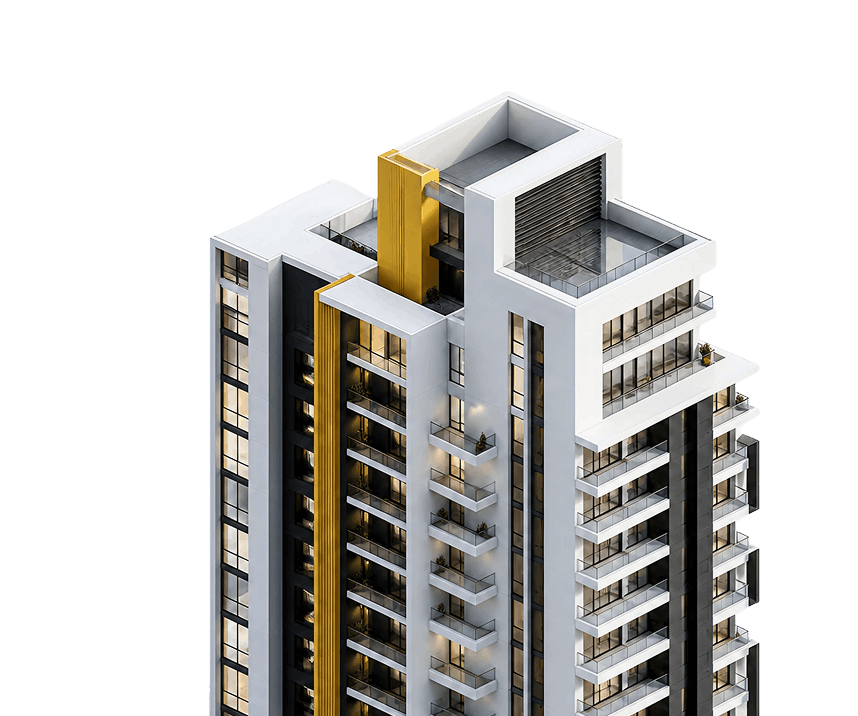
Planning to buy an apartment in Cyprus or looking for a rental property?
On RERA, you'll find 65,000+ up-to-date real estate listings across Cyprus – from studios and apartments to villas and commercial properties.
